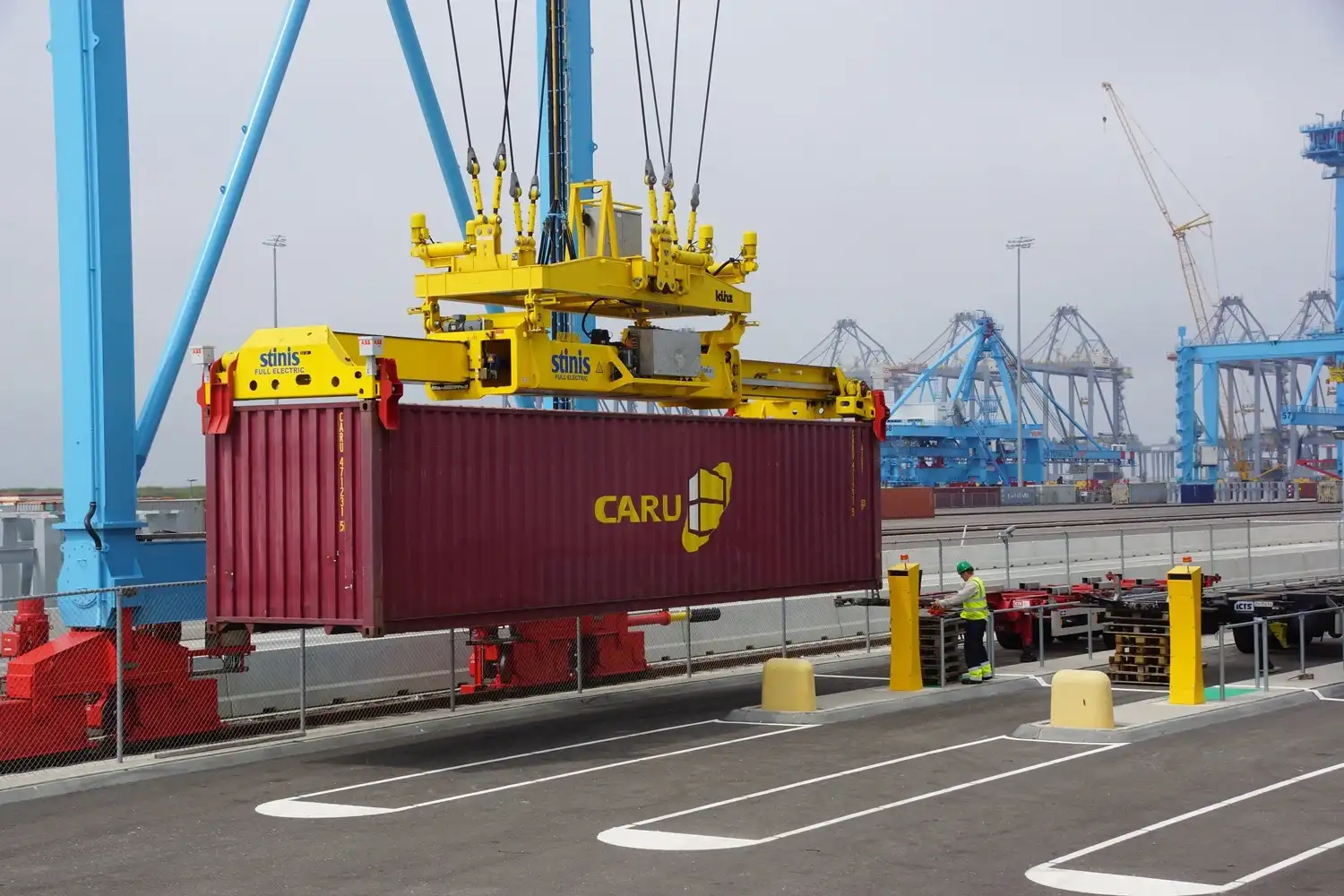
Manoeuvring heavy loads is a delicate task, requiring precise and fast measurements to ensure controlled lifting and lowering. Whether it be operating a crane, launching via a boat hoist, or assisting on production lines, there's various measurement equipment you can use to ensure balance and safety during operation.
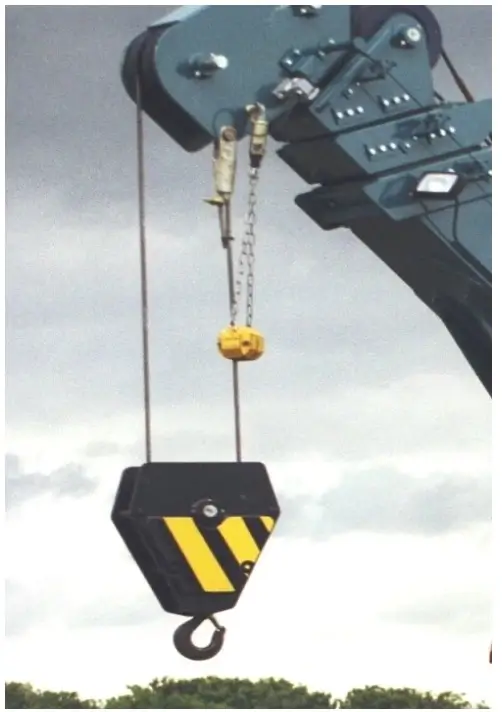
The name for an Anti-Two-Block is rather self explanatory, it's a device used to prevent Two-Blocking. The Anti-Two-Block is an electrical device featuring a sensor built into the unit to detect if Two-Blocking will occur, sending a trigger to a Load Display. This warns the operator, allowing them to avoid an impending Two-Blocking accident. In some cases, the Anti-Two-Block being triggered will also stop the motion of the crane to automatically avoid an accident.
Two-Blocking is an accident caused by a crane's hook impacting the boom, often putting additional stress on the hoist line. When Two-Blocking occurs, the crane cable is often separated, causing the block and the load the crane was carrying to drop, a very scary prospect in heavy lifting scenarios. The Anti-Two-Block prevents Two-Blocking accidents which would pose a serious danger to nearby workers, and severely damage the equipment involved.
The importance of the Anti-Two-Block is highlighted in a report into crane related deaths in the US construction industry from 1984 - 1994, in which Two-Blocking is listed as responsible for 11 fatalities during this time period.
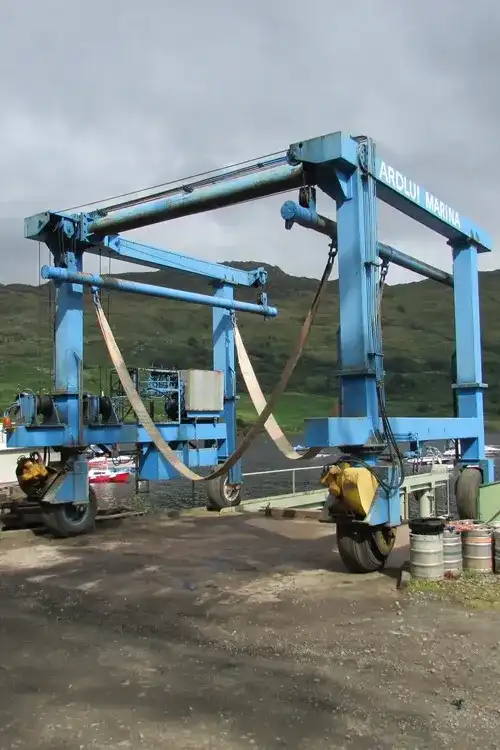
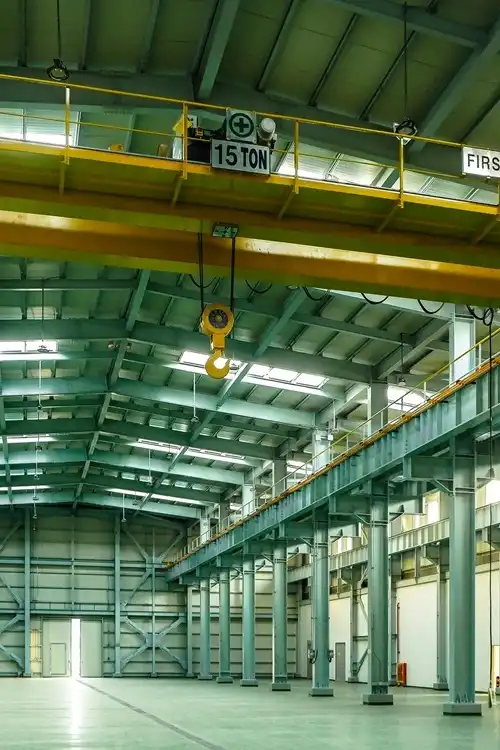
A load cell, also known as a Load Link, is a device used to measure weight using a strain gauge or spring setup to convert directional force into an electrical signal to be read by a display. They're a commonly used method for weight measurement in a variety of industries, including harbours, factories, cranes and calibration laboratories.
Load cells typically use a strain gauge or spring setup to convert the mechanical applied force into an electrical signal for a display to interpret, similar to how our torque transducers work. In a strain gauged setup, applied force will cause a slight deformation within the elastic body of the load cell. The strain gauges within this body will measure this deformation, converting it into an electrical resistance change, which is measured using a Wheatstone bridge circuit. This circuit outputs an electrical signal for interpretation by a display, allowing for reliable weight measurements.
Load pins are a specialised type of load cell designed for easier integration into your lifting solutions. Like a standard load cell, load pins usually use a strain gauge design to measure deformation from mechanical force, converting this into an electrical resistance change which is interpreted for an accurate weight measurement. Load pins are compact, strain gauged cylindrical pins that replace mechanical connectors to offer both weight measurement and structural integrity in setups where load cells are not a convenient solution.
The main advantage of a load pin is their space saving built whilst maintaining accuracy of weight measurement. They replace already existing mechanical components, meaning setup modifications are not required to incorporate weight measurement into the solution. Their ability to measure extremely high loads make them an ideal solution for direct integration into heavy-duty applications.

Load displays allow users to monitor and record readings from a load measurement device such as a load cell or a load pin. The display interprets the electrical resistance change from the strain gauged measurement device to indicate the weight or capacity of the applied load.
The AWS Load Measurement System operates wirelessly. But what are the advantages of this?
The AWS Wireless Telemetry Load Measurement System (WTLMS) is designed for efficient use in your heavy lifting setups. Whether it be in a factory, harbour or construction site, the system's long battery life and accurate measurements make it a reliable choice for your operations.







